
AC Repair in Austin, TX
Air conditioning repair for central systems in Austin houses, from the condenser in the side yard to the air handler in the attic.
Call (737) 295-1994Air Conditioning Repair in Austin
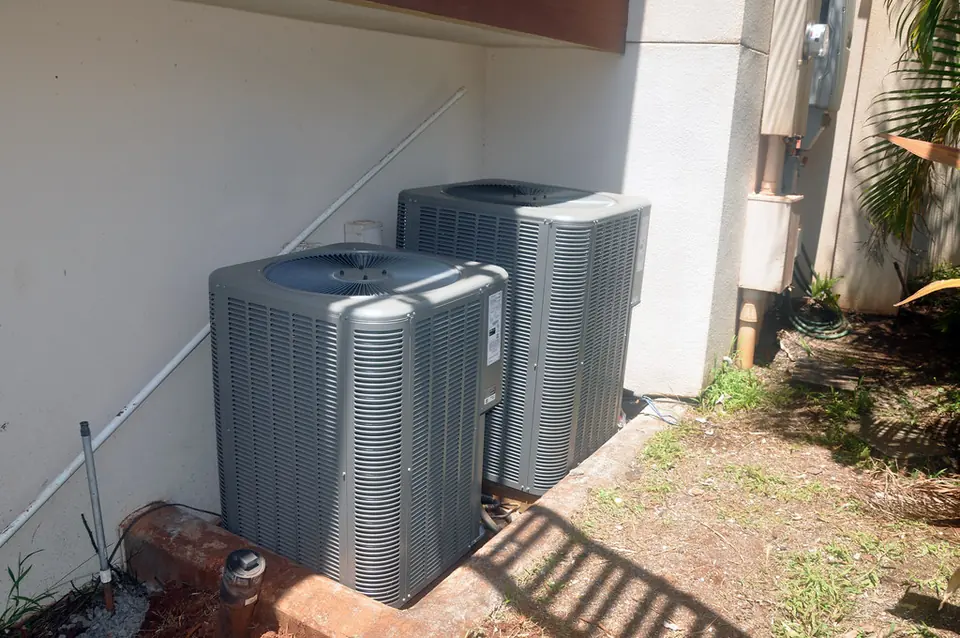
An air conditioner that stops cooling is usually down to one part. The outdoor condenser holds the compressor, the condenser fan motor, the run capacitor and the contactor. The indoor side holds the evaporator coil, the blower motor, the drain pan and the float switch. Meritt HVAC Repair works on all of it, along with the thermostat and the low voltage wiring that tells each piece when to run.
Signs that point to a repair: the outdoor fan sits still while the compressor hums, the house keeps getting warmer through the afternoon, ice forms on the copper line at the condenser, water drips from a ceiling vent, or the breaker trips each time the system starts. Call (737) 295-1994 and describe what the system is doing.
Parts That Fail on Austin AC Systems
- Run capacitors and dual capacitors that bulge, leak or lose strength in the heat
- Contactors with pitted points that chatter or stick closed
- Condenser fan motors and blades
- Blower motors and blower wheels caked with dust
- Evaporator coils that freeze when airflow drops
- Condensate drain lines, traps, pans and float switches
- Thermostats, transformers and control boards
Most of these parts wear from heat and hours of use. An outdoor unit sitting in afternoon sun in a yard off Shoal Creek Boulevard can see its cabinet run far hotter than the air around it, and capacitors and contactors inside that cabinet age faster as a result.
The Attic Air Handler
In many Austin houses the air handler and ducts sit in the attic, far from sight and hard to reach. A blower motor can start to squeal, a duct can slip off its boot, or a drain pan can rust through without anyone in the house noticing. A clogged drain in that attic can overflow into the ceiling below, which is why a float switch that shuts the system off is a common find.
Debris is the other local factor. Live oak leaves and cedar elm seeds collect on top of and around outdoor units in older neighborhoods like Old West Austin and Windsor Park, which cuts airflow across the condenser coil and makes the compressor work harder.
AC Repair Questions
- Why does my AC feel humid?
- Humid air inside usually means the system is not pulling enough moisture out. A coil that is dirty or partly frozen, a blower running too fast or set to run nonstop, and an oversized unit that cools the air in short bursts can all leave the house feeling damp. A coil and blower that are set up and running correctly matter as much for comfort as the temperature on the thermostat.
- Why does my AC drip water inside?
- Water inside the house nearly always traces back to the condensate system. The drain line can clog with algae and dust, the trap can fill, or the primary pan under the coil can rust through. If the air handler is in the attic, the overflow shows up as a stain or drip at a ceiling vent. A rusted pan or a stuck float switch can turn a small drip into ceiling damage.
- What causes AC drain line to clog?
- Algae and bacteria grow in the warm, wet line, and they trap dust that gets past the filter. Long run times keep that line wet for months, so growth builds fast. A line with poor slope or no clean-out holds water and clogs sooner. Changing filters on schedule slows the buildup, and a line that keeps clogging may need its slope or trap corrected.
- How do I know if my AC fan motor is bad?
- On the outdoor unit, look at the fan on top while the system runs. If the fan does not turn, turns slowly, or starts only after a push with a stick, the motor or its capacitor is failing. A motor that runs hot, smells burnt or makes a grinding sound is also near the end. Inside, a blower that hums without moving air points to the same kind of failure.
- Is it normal for my AC to run all day?
- On a hot afternoon, a system can run for hours without stopping and still be healthy. It is a problem when the house never reaches the set point in the evening, when the supply air feels warm, or when the system runs nonstop on a cool day. Those signs point to low capacity, airflow trouble or a failing part.
- Is it normal for my AC to leak water outside?
- Some water outside is normal. The condensate line usually ends near the foundation, and it drips steadily while the system is cooling. Water around the outdoor condenser is different. On a heat pump in winter, melt from the defrost cycle is normal. On a cooling-only unit, a puddle at the condenser can come from ice melting off the lines, which points to an airflow or coil problem.
- How do I know if my AC pulls air from outside?
- A central air conditioner does not bring in outside air. It moves the same indoor air across the coil over and over, pulling it back through the return grilles and the filter. The outdoor unit only gets rid of heat. Some homes have a separate fresh air duct or a ventilation unit tied to the system, and you can usually spot that duct running to an outside wall or the roof.
AC Repair Resources
AC Repair in Austin, TX
Call (737) 295-1994